Article Body
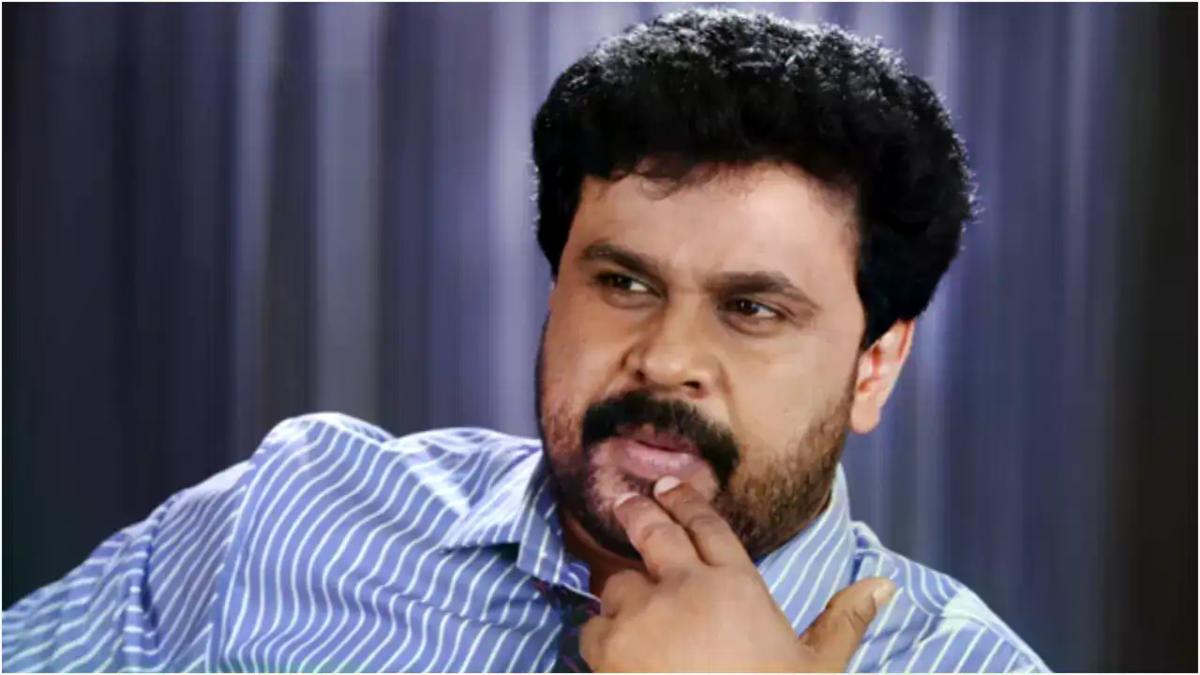
Latest verdict in Kerala actress assault case
In a major legal development, the court has delivered its verdict in the 2017 assault case against a prominent Malayalam actress. While some accused have been convicted of the crime, others—most notably the actor Dileep—have been acquitted. The verdict brings to a close a lengthy and highly publicised trial that lasted over eight years.
Fast facts:
- The assault occurred in February 2017 when a female actor was reportedly abducted and sexually assaulted in a moving vehicle. The crime was allegedly filmed by the assailants. The vehicle driver and several others were arrested shortly after.
- The accused included a group of men allegedly involved in the abduction and assault. The first arrests included the driver, followed by the prime suspect, Pulsar Suni (Sunil NS), and several others. Dileep was named as the eighth accused.
- The court found the first six accused — including Pulsar Suni — guilty for their roles in the assault. Sentencing for them is scheduled to follow.
- The court acquitted Dileep, ruling that the prosecution could not conclusively prove his role in the alleged criminal conspiracy.
- The trial, which began formally in 2018, examined 261 witnesses. Many of those who initially testified turned hostile, which significantly weakened the prosecution’s case.
What led to the verdict
The trial proceedings were marked by multiple complications: shifting prosecutors, changing testimonies, and controversies over evidence handling. The assault had been recorded on a memory card — digital evidence that became a critical part of the prosecution’s case. However, issues around access and potential tampering of the digital footage emerged. Reports revealed that the visuals had been accessed multiple times by unknown persons, raising concerns about evidence integrity. At least some of these concerns involved the oversight of the presiding judge, Honey M Varghese.
Despite these complications, the court pressed on. Ultimately, the evidence was insufficient to link Dileep definitively to the conspiracy. In contrast, the prosecution’s case against the other accused — particularly Pulsar Suni and his associates who carried out the assault — was accepted, leading to their conviction.
Implications and reactions
The verdict has triggered a mix of relief and outrage. For many in the film industry and beyond, the acquittal of a powerful name like Dileep has sparked anger and renewed debate over justice, credible evidence, and the challenges survivors face in high-profile cases. Meanwhile, the convictions of the primary assailants are being seen as a partial — but hard-fought — win for accountability in a notoriously difficult case.
The judgment also spotlighted issues around how evidence—especially digital evidence—should be handled in cases involving sexual assault and power imbalance. The fact that many witnesses recanted their earlier statements only deepened scepticism around witness protection, intimidation, and the influence of status and power.
What remains uncertain
Although the court has delivered its verdict, some questions remain unresolved. Who exactly funded or orchestrated the conspiracy, if it existed, remains unclear. The role of intermediaries — if any — has not been established conclusively. Further, survivors and rights-watchers have expressed concern over whether justice, once delayed for so long, can ever truly be served when evidence is contested and memories fade.
This verdict may not end the controversy — many expect appeals, further scrutiny of evidence, and continued debate about justice, accountability and the protection of survivors in the film industry and beyond.

Comments